From First Fix to Community Impact: Your Path in UK Repair Cafés and Reuse Centres

Step into a supportive community where practical know-how meets purpose. In this guide we explore skills training and volunteering pathways in UK repair cafés and reuse centres, showing how newcomers progress from curious helpers to confident fixers, coordinators, and advocates. Expect clear steps, honest stories, and inviting next actions to begin your journey today.

Open Doors: Getting Involved with Confidence
Start on the Welcome Desk

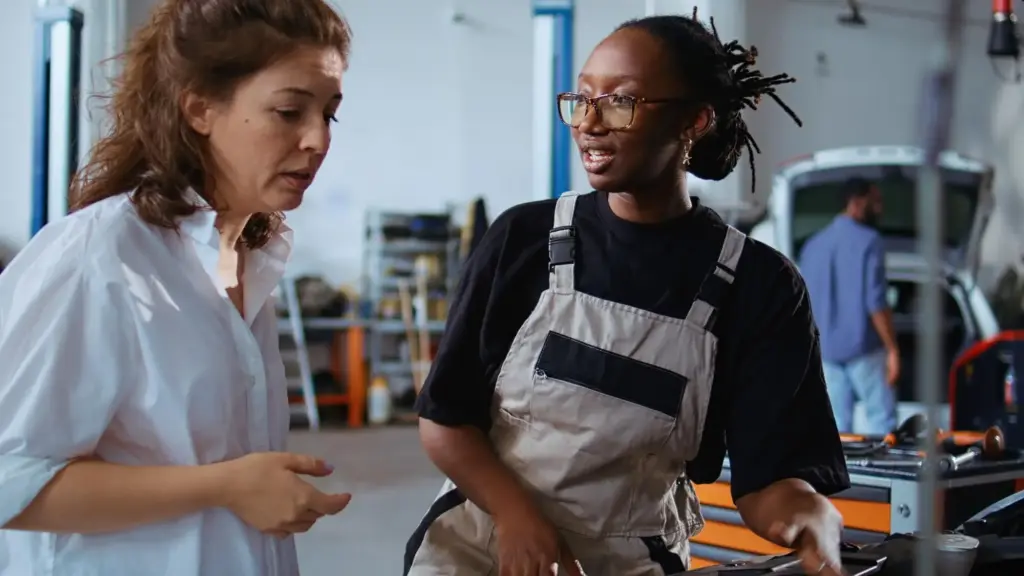
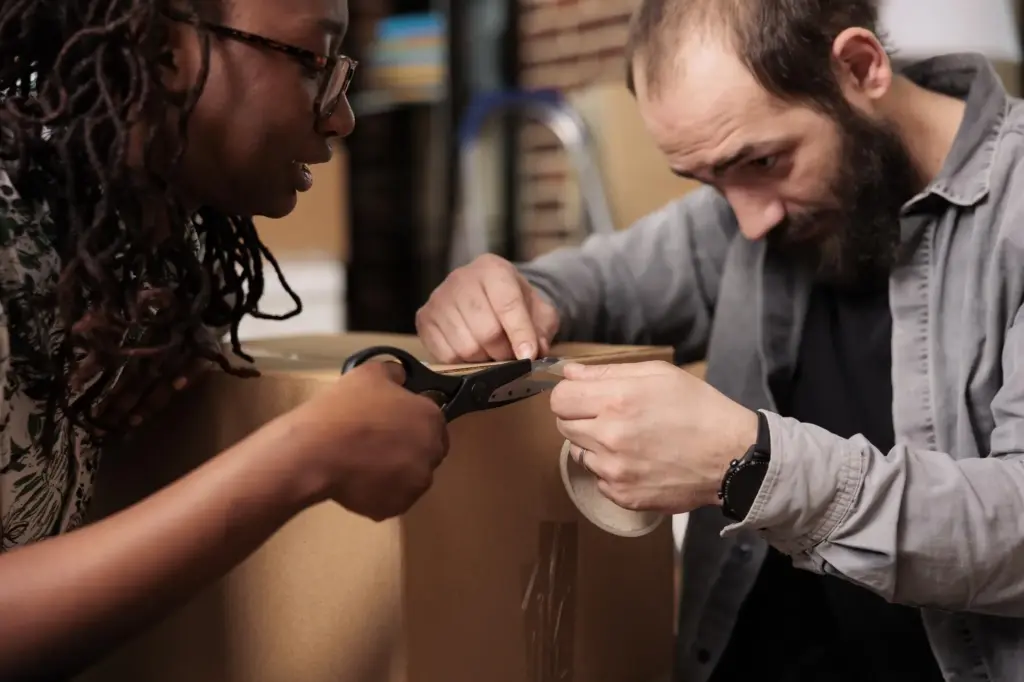
Welcoming visitors, managing the queue, and capturing item details teach soft skills that matter in every workshop. You will practice listening, calm triage, and clear handovers, while watching repairs up close. Many volunteers discover their preferred learning path by starting here and reflecting on what energises them most.

Shadow a Repair Mentor

Shadowing pairs you with an experienced fixer who explains diagnostics, safety checks, and when to stop. You will handle tools under supervision, learn parts sourcing etiquette, and absorb workshop culture. Honest debriefs after each session turn small observations into practical habits and steady, transferable competence.

Create a Personal Learning Plan

With your coordinator, capture personal goals, availability, and access needs, then map milestones like basic safety, tool familiarity, and first assisted repair. A simple plan reduces nerves, clarifies boundaries, and celebrates progress. Measured steps empower you to grow at a sustainable pace that respects life outside volunteering.

Hands-on Skills That Matter

Real impact begins with careful diagnostics, tool respect, and clear communication. We highlight practical techniques used across UK repair cafés and reuse centres, from triaging faults to documenting outcomes, always prioritising safety, consent, and learning. Expect approachable checklists, memorable mnemonics, and stories where small fixes sparked confidence and community connection beyond the workbench.

Safe Electrics and Practical Testing

Learn the golden sequence for approaching mains-powered items, visual inspection, isolation, continuity checks, and when to escalate. Many groups require basic electrical awareness and encourage supervised use of PAT testers. You will practise safer workflows, honest risk communication, and respectful refusal when an item poses hazards that cannot be mitigated.

Textiles: Mending That Tells a Story

From invisible seams to joyful visible mending, textile skills combine dexterity with empathy. You will assess fabric condition, choose appropriate threads, match needles, and balance durability with charm. Along the way, owners often share memories stitched into garments, turning repairs into intergenerational conversations and warm invitations for new volunteers to join.

Bicycles: Rolling Repairs and Road Safety

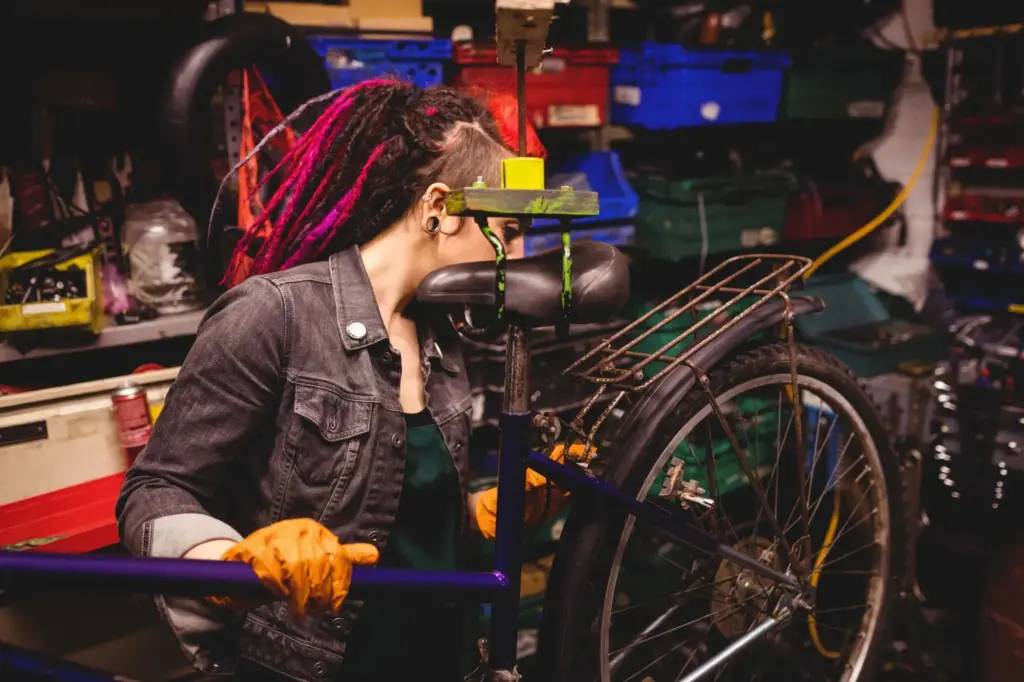
Community bike fixes build freedom and fitness. Begin with ABC checks, tyre inspection, brake adjustment, and chain care. You will learn to explain what you are doing, invite safe participation, and schedule follow-up sessions. Coordinators can link riders to local cycling groups, promoting confidence, maintenance literacy, and healthier everyday travel choices.

Training Routes, Badges, and Useful Certificates

Clear recognition helps volunteers progress and reassures the public. Many UK groups signpost low-cost courses such as first aid, manual handling, safeguarding, or basic electrical awareness, alongside resources from networks like The Restart Project and Repair Café International. Thoughtful badges celebrate learning without gatekeeping, while mentoring ensures competence grows with responsibility.

Progression: Grow from Helper to Leader

Pathways are not linear, yet clear role descriptions make growth visible. Many volunteers move from greeting to repair assistance, then into coordination, training facilitation, or outreach. We describe responsibilities, handover tips, and burnout prevention, so you can expand impact sustainably while nurturing the next wave of community fixers and facilitators.

Partnerships, Funding, and Community Reach

Strong collaborations amplify learning and resilience. UK repair cafés and reuse centres often partner with councils, libraries, housing associations, Men’s Sheds, colleges, and charities. We outline funding avenues, insurance considerations, and co-hosted events that widen access, diversify volunteers, and stabilise operations through shared resources, friendly referrals, and trusted, locally rooted visibility.

Collecting Data Responsibly

Gather only what you need, explain why it helps, and store records securely. Anonymised summaries protect privacy while still demonstrating value to partners and funders. Clear consent processes, photo permissions, and opt-out options uphold trust, ensuring data serves people and the shared mission rather than becoming a burden.

Telling Human Stories That Inspire Action

Invite makers to share challenges, aha moments, and the relief of bringing a beloved item back to life. A paragraph beside a photo can convey pride and gratitude. These narratives welcome readers into the circle, turning interest into attendance, curiosity into learning, and small contributions into lasting commitment.
Lumanilosentosanorinoviro
Privacy Overview

This website uses cookies so that we can provide you with the best user experience possible. Cookie information is stored in your browser and performs functions such as recognising you when you return to our website and helping our team to understand which sections of the website you find most interesting and useful.