


Repair, Reuse, Reconnect across the UK
Why This Grassroots Map Matters
{{SECTION_SUBTITLE}}
From Landfill to Second Life
Data That Empowers Local Action
Community-Sourced Entries
Verification Without Red Tape
Open Data, Shared Power
People Powering the Fix
Coordinators Who Convene
They wrangle venue bookings, spare cables, socket testers, PAT checks, and loaned sewing machines. They explain boundaries, celebrate first repairs, and share photos responsibly. When storms hit, they move outdoors under gazebos. When attendance dips, they partner with libraries or schools. Their art is choreography, guiding volunteers and guests into a rhythm where chaos becomes care and clarity.
Repairers Who Teach
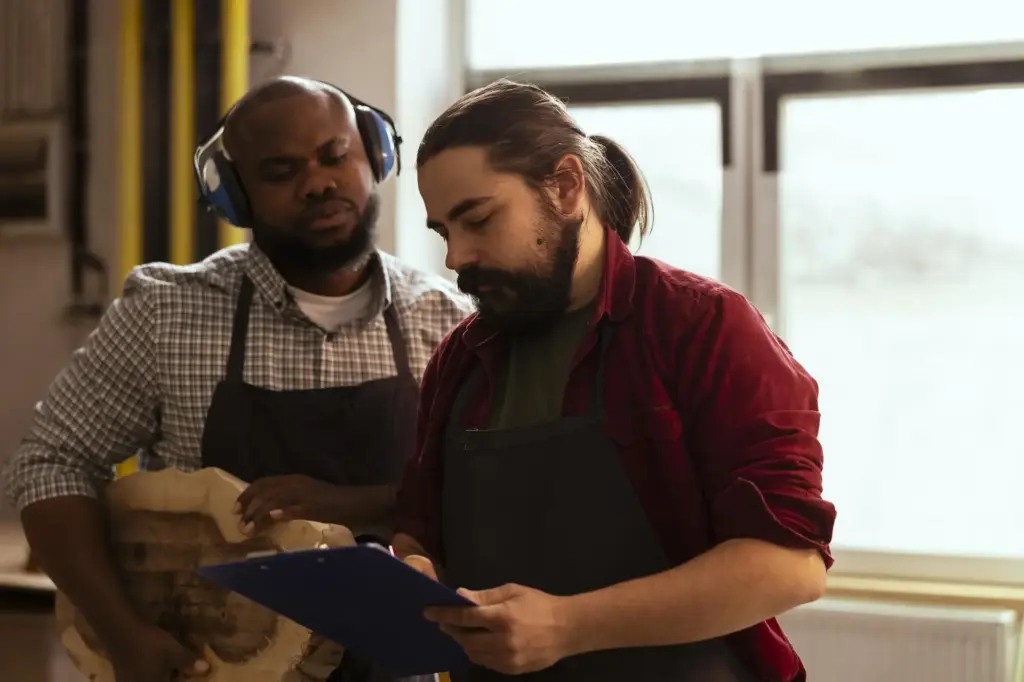
From retired radio engineers to fashion students mastering darns, volunteers arrive with stories and kindness. They model safety, document before-and-after states, and love saying, “Would you like to try?” A child who mended a toy car learns patience and ownership. An adult who re-stitches denim feels pride instead of shame. Skills pass between generations, generously and joyfully.
Places You Can Join Today
Repair Cafés and Pop-Up Clinics
These welcoming tables prioritize conversation, not transactions. Guests sit beside repairers to learn, while coordinators manage intake and safety. Items range from lamps and headphones to prams and blenders. Tea flows, stories mingle, and successful fixes earn celebratory photos. When not fixable, respectful advice prevents harm, and next steps are explained kindly, without blame or pressure.
Libraries of Things and Sharing Hubs
Borrow, don’t buy, becomes a cheerful default. You can check out pressure washers, sewing machines, dehumidifiers, or party projectors. Staff teach basic use, and volunteers host starter sessions. Costs stay low through memberships, concessions, and partnerships with councils or donors. By mapping these hubs, we help neighbors find practical alternatives that lighten budgets and reduce cluttered, underused cupboards.
Reuse Warehouses and Charity Workshops
Furniture depots and appliance refurbishers rescue materials, retrain staff, and keep household goods affordable. Some run accredited programs for young people, others provide supported volunteering and job placements. Visitors often discover parts bins that feed community repairs. Coordinated calendars prevent clashes and share attention, ensuring each warehouse tour, tool sale, or upcycling class meets people exactly where curiosity begins.
Skills That Spark Confidence

Council Partnerships That Unlock Space
Empty rooms become buzzing workshops when venues open their doors affordably and predictably. Waste teams collaborate with coordinators to divert usable items, supply safety bins, and share outreach channels. Joint communications lift attendance and trust. With mapped schedules, councils plan staff visits, evaluate results, and learn from peers, so good ideas replicate across boroughs without reinventing careful, proven practices.
Right to Repair and Consumer Clarity
Clearer rules on spare parts, repair information, and diagnostics empower both households and volunteers. Labels that explain expected lifespans, energy profiles, and repair pathways reduce confusion and greenwash. The map complements this by showing where help exists today. When people understand options early, they choose maintenance over disposal, reinforcing demand for durable products and fair, accessible aftercare across regions.
Funding That Sustains Without Exhausting
Short grants help buy mats, testers, and magnifiers, but burnout threatens if relationships end suddenly. We highlight funders who support training, documentation, and coordination time, not only events. Transparent impact reporting, grounded in realistic metrics, builds credibility. Stable backing keeps tables set, biscuits baked, and doors open, so new hands always find a friendly place to start learning.
What’s Next for the Living Map
All Rights Reserved.