

From Spark to Shared Repair: Building Momentum That Lasts

Together we’ll explore how to launch a community repair hub, with practical guidance on funding, governance, and partnerships that turns goodwill into durable infrastructure. Expect clear steps, relatable stories, and field-tested templates that help neighbors fix belongings, reduce waste, and grow confidence, while you steward transparent decision-making, inclusive culture, and resilient collaborations that make small wins compound into real, measurable impact.

Listen First, Then Build

Lasting initiatives begin by listening carefully to the people you hope to serve. Before booking venues or buying tools, map local pain points, cultural rhythms, and existing strengths. Thoughtful discovery helps you design invitations that feel welcoming, choose hours that work for caregivers and shift workers, and craft processes that build dignity, agency, and pride rather than transactional, one-off interactions.

Smart Funding Without Mission Drift

A resilient financial mix blends grants, sponsorships, memberships, and in-kind gifts, supported by transparent budgets and community accountability. Rather than chasing every opportunity, align revenue with your values and governance safeguards. This balance avoids burnout, preserves trust, and funds what actually matters: training mentors, maintaining tools, securing insurance, and documenting outcomes that open future doors.

Trustworthy Governance and Legal Foundations
Clarity about who decides what, how finances are approved, and how conflicts are resolved builds stability. Choose a structure—cooperative, nonprofit, or fiscal sponsorship—aligned with your scale and capacity. Write lightweight policies for safety, safeguarding, and data. Publish meeting notes, welcome criticism, and rotate roles. Good governance feels boring on purpose and liberates everyday creativity.

Steward Circles Instead of Lone Heroes

Form a small, diverse group overseeing safety, finance, partnerships, and programming. Document responsibilities, set term limits, and schedule regular retrospectives. Rotate facilitation so quieter voices shape direction. With shared stewardship, vacations, illnesses, and life changes stop being existential threats because knowledge, relationships, and authority are distributed rather than trapped in one generous person’s inbox.

Policies That Protect People and Momentum

Draft concise, readable guidelines for safeguarding, inclusivity, tool use, and incident response. Train everyone, not just leaders, to spot hazards and bias. Keep a simple accident log and feedback ledger. Strong protections reduce insurance anxiety, support volunteers, and reassure municipalities and schools that your presence elevates safety standards instead of introducing avoidable, poorly managed risks.

Partnerships That Multiply Impact

No hub thrives alone. Libraries, schools, waste authorities, faith groups, and repair businesses amplify reach, provide space, lend expertise, and open funding channels. Build reciprocity: invite co-branding, share data insights, and offer workshops for staff. When partners witness dignity, learning, and joy at your events, collaboration evolves from polite interest into enduring, co-created commitments.

Municipal Alignment and Public Purpose

Meet sustainability staff and sanitation leads to align with waste diversion and climate plans. Offer quarterly dashboards on items saved and emissions avoided. Invite council members to volunteer shifts. When your data helps municipalities hit targets, they unlock venues, micro-grants, and communications support, transforming your weekend pop-up into a recognized, community-benefit service worth protecting and scaling.

Education Partners and Skill Pathways

Collaborate with schools, colleges, and youth programs to integrate repair into service learning and technical education. Co-create curricula on diagnostics and safety. Celebrate student-led fixes during family nights. These pathways nurture confidence, diversify volunteer pipelines, and help young people see tangible engineering, craft, and civic skills that connect classroom curiosity with neighborhood wellbeing and opportunity.

Circular Economy Coalitions and Local Business

Team up with refurbishers, fix-it shops, and recyclers to handle complex cases and parts. Share referrals, co-host events, and publish joint guides on repairability. Businesses appreciate community goodwill and thoughtful foot traffic. Together you reduce contamination in recycling streams, extend product life, and demonstrate practical, local circularity that feels empowering rather than abstract or scolding.

Spaces, Tools, and Safety That Welcome Everyone

Great repair spaces are easy to find, simple to navigate, and gentle on newcomers. Prioritize clear check-in, calm lighting, and labeled zones. Build mobile kits for pop-ups and maintenance logs for tools. Safety training feels inviting when paired with friendly mentors, good signage, and snacks. Hospitality and risk management can, surprisingly, be the very same practice.

Finding Fixers, Hosts, and Bridge-Builders

Recruit through neighborhood apps, trade unions, PTA lists, amateur radio clubs, sewing circles, and faith bulletins. Ask each volunteer to invite one friend. Value translators, patient listeners, and calm organizers as highly as technical wizards. Diversity of roles and backgrounds attracts more neighbors, reduces cliques, and ensures every newcomer meets someone who feels relatable and kind.

Onboarding That Reduces Uncertainty

Provide a simple volunteer guide, short safety video, and paired shadow shift. Set expectations about punctuality, documentation, and empathy. Encourage questions and buddy check-ins. Clear beginnings lower anxiety, boost quality, and shorten the time between curiosity and confident contribution, which is how you transform occasional helpers into steady teammates who reliably anchor event days.

Appreciation and Growth That Feel Real

Offer skill badges, letters of reference, and rotating leadership opportunities. Share monthly impact notes featuring repair saves and personal milestones. Host low-pressure socials and debriefs. Recognition sustains energy, keeps conflict small, and reminds everyone their presence matters. When people feel cared for, they invite others, and your capacity expands without exhausting anyone’s generous heart.

Volunteer Power: Recruiting, Training, and Care
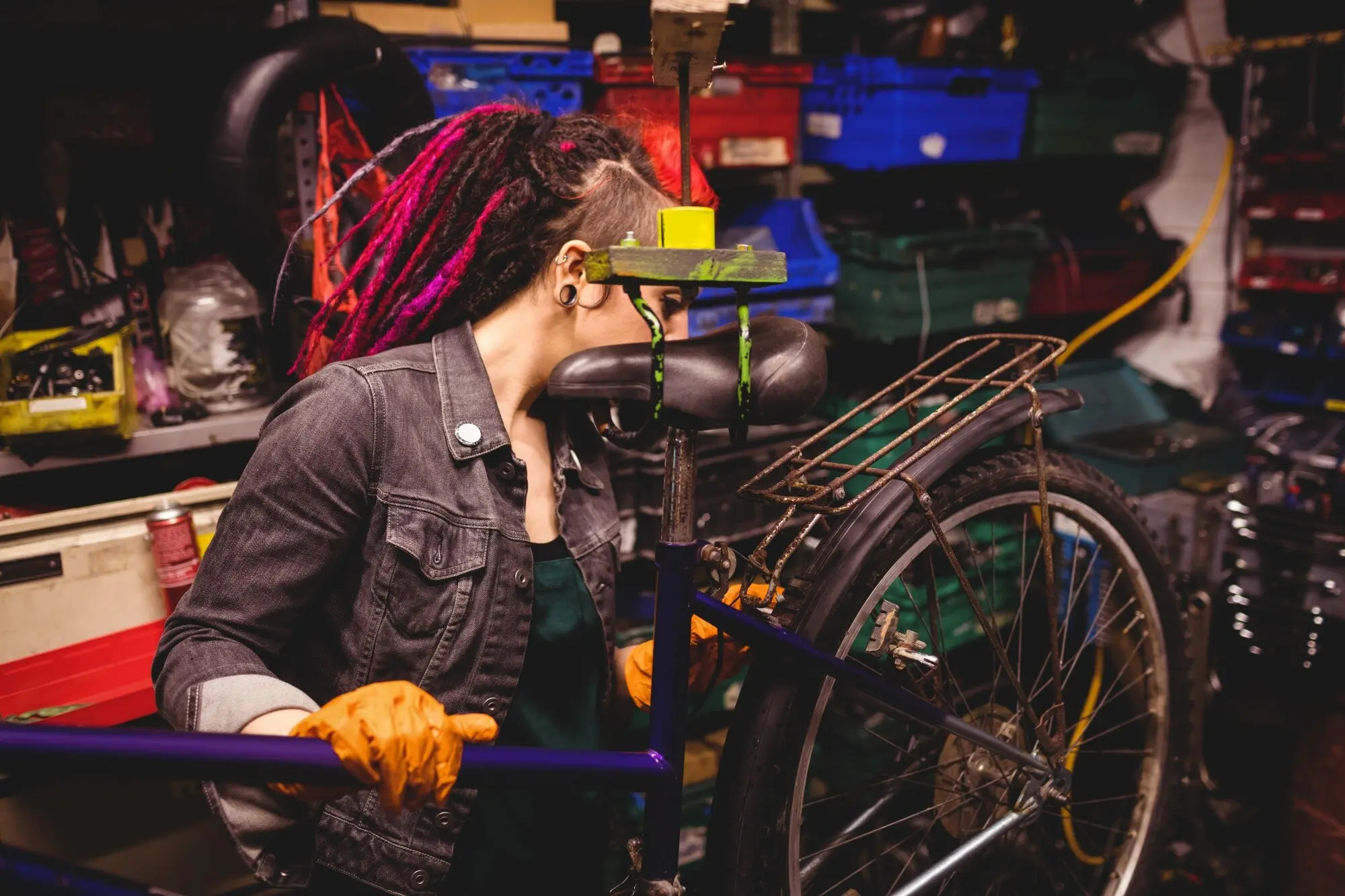
People make the magic. Build clear roles for greeters, triage leads, fixers, storytellers, and data stewards. Offer gentle onboarding, shadowing, and mentorship ladders. Celebrate small wins, not only hero repairs. Provide food, feedback loops, and realistic schedules. Retention grows when volunteers feel seen, learn new skills, and understand how their steady contributions ripple outward.

Event-Day Choreography That Flows

Design a friendly arc: welcome, diagnose, attempt, decide, and reflect. Use color-coded tickets to balance queues. Assign floaters for tricky cases. Keep spare chargers, needles, and fuses ready. Clear rhythm reduces frustration, prevents bottlenecks, and ensures each visitor leaves with knowledge, next steps, and gratitude for the people who made their experience feel possible.

Data Systems With Privacy and Purpose

Collect only what you need: item type, outcome, weight, and consented photos. Store securely and aggregate for reports. Share dashboards with volunteers and partners quarterly. Data should help improve training, justify budgets, and inspire outreach, never exploit participants. Center consent and dignity so information strengthens relationships rather than turning neighbors into extractive spreadsheets.

Stories That Travel Further Than Metrics

Publish short repair narratives with participant permission, highlighting patience, shared learning, and joyful discoveries. Pair each story with a small fact like emissions avoided. Invite replies, tips, and future item wish-lists. When people recognize themselves in your storytelling, they subscribe, donate, volunteer, or partner, because meaning lands most deeply through voices they trust nearby.
Lumanilosentosanorinoviro
Privacy Overview

This website uses cookies so that we can provide you with the best user experience possible. Cookie information is stored in your browser and performs functions such as recognising you when you return to our website and helping our team to understand which sections of the website you find most interesting and useful.